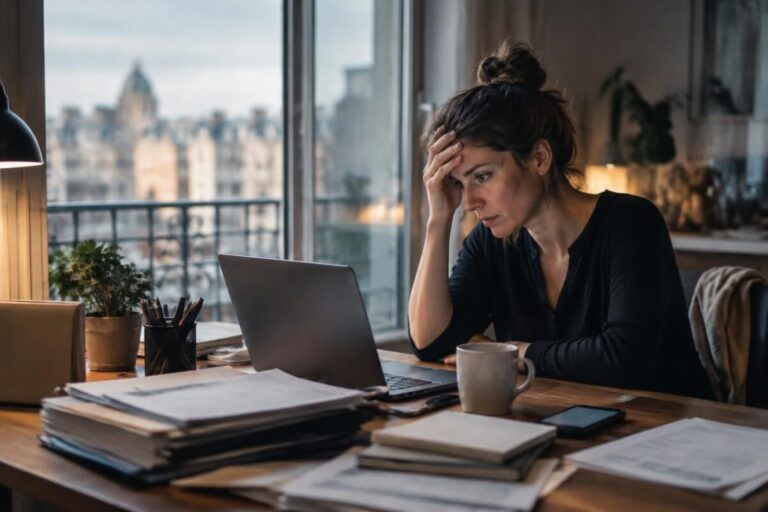
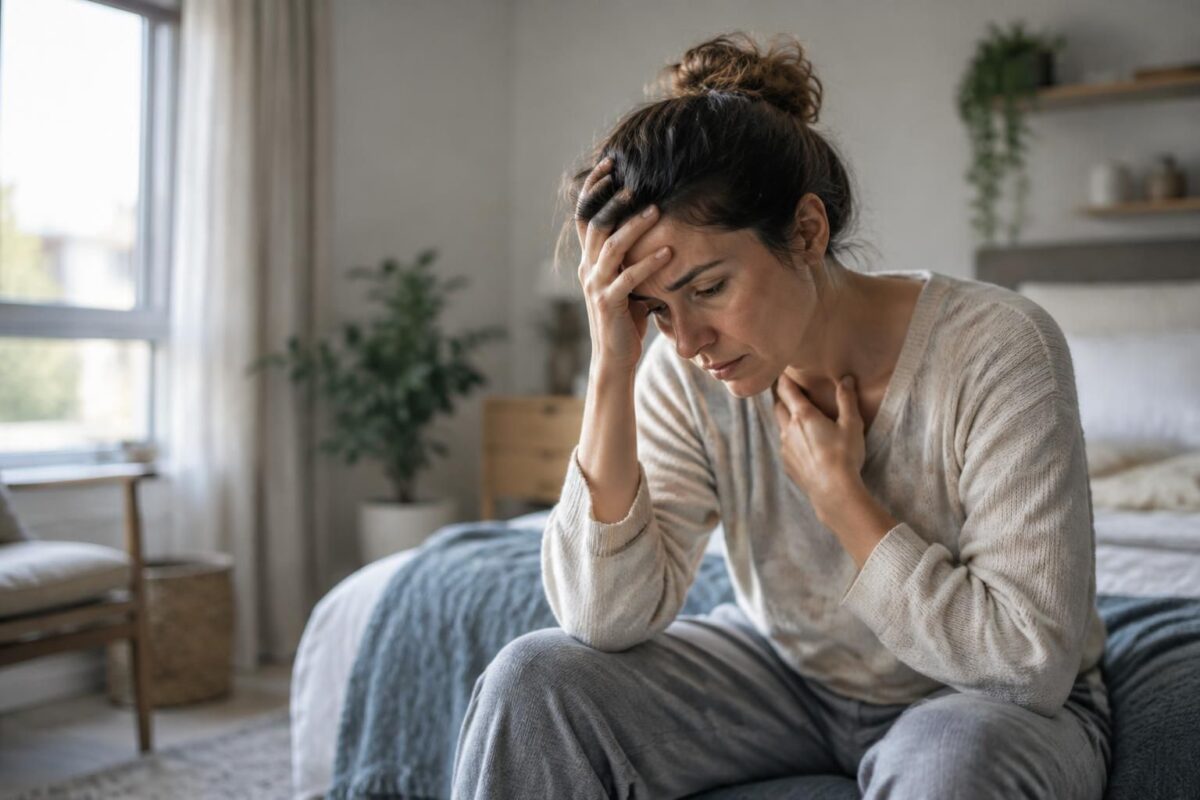
Health: stress-related symptoms you shouldn’t ignore
Hi, it’s Solène. Stress deserves particular attention when it lasts several weeks, disrupts daily life, or comes with symptoms that worsen. Persistent fatigue, sleep problems, or palpitations can be signs to pay attention to, though they are not enough to make a diagnosis. Noticing these changes can help you choose the right time to seek advice.
What to do right now
Keep track of your symptoms, how often they occur, and when they appear, then talk to a professional if they persist or interfere with your daily life. To spot other signs, you can also read this advice on signs of stress that are sometimes overlooked and on stress that is taking hold.
- Take a few minutes to breathe slowly and relax your shoulders.
- Keep your sleep schedule as regular as possible.
- Take a short walk or do some gentle activity if you feel up to it.
- Cut back on stimulants, such as coffee, if you notice that they make palpitations or restlessness worse.
- Make an appointment with a doctor if your symptoms last, get worse, or prevent you from functioning normally.
Stress symptoms: physical signs not to dismiss
When faced with a demanding situation, the body goes on alert to help you respond. This reaction may be temporary. However, it should be looked into if it happens often or does not subside, even after the stressful situation has passed.
Symptoms vary from one person to another. They may include headaches, muscle tension, digestive problems, shortness of breath, or palpitations. Persistent fatigue and sleep problems may also occur, but these symptoms can sometimes have other causes: a healthcare professional can help assess them.
| Sign observed | What you might notice | When to seek advice |
|---|---|---|
| Sleep and energy | Waking during the night, unrefreshing sleep, persistent fatigue | If it lasts or interferes with your usual activities |
| Body | Palpitations, headaches, muscle tension, digestive problems | If episodes recur, get worse, or cause concern |
| Mood and attention | Irritability, anxiety, difficulty concentrating | If it affects your relationships, work, or studies |
| Breathing | Feeling short of breath or breathless | Promptly if it is severe, new, or accompanied by other concerning signs |
A single symptom is not enough to conclude that stress is the cause. “A change that lasts deserves to be listened to, not judged.”
Temporary or chronic stress: how to tell the difference
Temporary stress is often linked to an identifiable event, such as an exam, a deadline, or an important meeting. It tends to ease when the situation is resolved or you have had time to recover.
More lasting stress can continue for several weeks, feel present almost all day, and affect several areas of life. Anxiety may then be accompanied by irritability, difficulty concentrating, or a constant feeling of being on edge. This is not enough to establish a disorder: only a professional can make an assessment.
Imagine someone who wakes up every morning with a knot in their stomach, then finds they can no longer concentrate at work. By noting how long this has been going on and what has changed in their daily life, they have concrete information to discuss with a doctor.
Stress after a traumatic event: signs to take seriously
After a traumatic event, some people relive what happened through flashbacks or nightmares. Excessive alertness, avoiding places associated with the memory, or feeling detached may also occur.
These reactions are not a sign of weakness. If they persist, cause significant distress, or lead to isolation, contact a doctor or psychologist, preferably one trained in trauma. In case of immediate danger or severe physical symptoms, call your country’s emergency services.
What to do if stress symptoms disrupt your daily life
You don’t have to wait until you’re at breaking point to ask for help. A doctor can assess your symptoms and look for other possible causes; a psychologist can support you in understanding what is fueling your stress and finding suitable strategies.
- Step 1: For a few days, note your symptoms, how long they last, how intense they are, and how they affect your sleep, appetite, or activities.
- Step 2: Make an appointment with a doctor if the signs persist, get worse, or interfere with your daily life. Share your notes without trying to diagnose yourself.
- Step 3: Follow the advice you receive and check in with the professional. Depending on the situation, psychological support or other care may be considered.
If it’s a brief period of tension linked to a specific event, monitor how it develops and give yourself time to rest. If symptoms last, get worse, or limit your activities, seek professional advice.
Frequently asked questions about stress symptoms
What are common physical symptoms of stress?
Stress can be accompanied by muscle tension, headaches, digestive problems, palpitations, or sleep problems. These signs can also have other causes: seek advice if they persist or concern you.
How long should I wait before seeing a doctor?
There is no one-size-fits-all timeframe. See a doctor if symptoms last several weeks, get worse, or significantly interfere with your daily life. If a sign is severe or comes on suddenly, seek medical help promptly.
Can stress cause shortness of breath?
A feeling of shortness of breath can occur during periods of stress, but it should not automatically be attributed to anxiety. If it is new, severe, or accompanied by other concerning symptoms, contact a professional promptly.
Who should I talk to if stress becomes difficult to manage?
You can start with a general practitioner, who will assess your symptoms and may refer you to a psychologist or psychiatrist depending on your needs. After a traumatic event, specialized support may be helpful.
Thank you for your interest! Best wishes; Solène